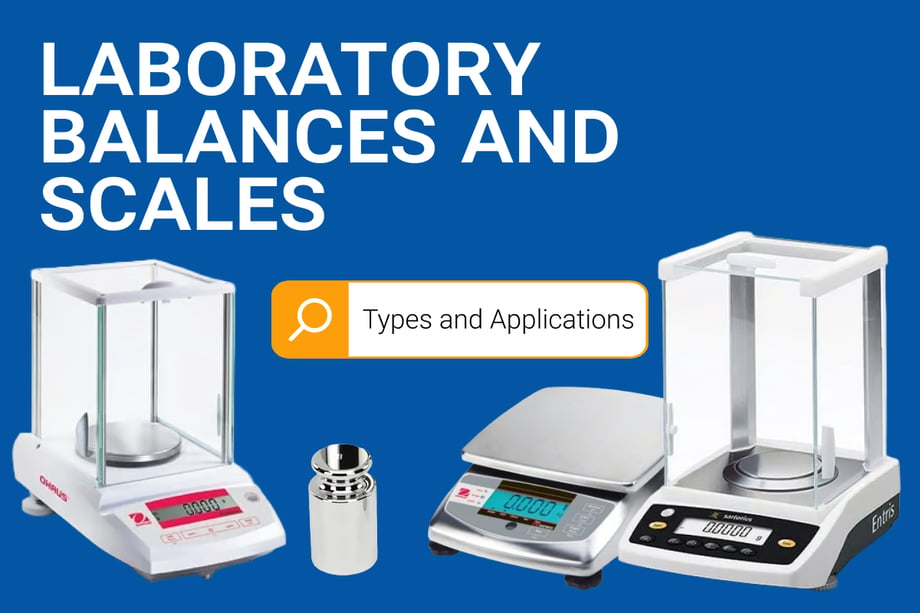
Accurate measurement is fundamental to scientific research, quality control, manufacturing, and testing processes. Laboratory balances and scales are essential instruments used to determine the mass or weight of materials with varying degrees of precision. Whether you work in pharmaceuticals, biotechnology, environmental testing, education, food production, or industrial laboratories, selecting the right weighing equipment is critical for achieving reliable and repeatable results.
From this guide, you will learn:
-
The difference between laboratory balances and laboratory scales
-
The main types of balances and scales used in laboratories
-
Common applications for analytical, precision, portable, and mechanical balances
-
How moisture analyzers are used for rapid moisture testing
-
Best practices for achieving accurate weighing results
-
Key factors to consider when selecting a balance or scale
-
How to choose the right weighing equipment for your laboratory
What Is the Difference Between a Laboratory Balance and a Scale?
Although the terms are often used interchangeably, laboratory balances and scales serve different purposes.
A laboratory balance measures mass with a high degree of accuracy and precision. Balances use sophisticated sensors and calibration systems to detect very small differences in mass, making them ideal for analytical and research applications.
A laboratory scale, on the other hand, is typically designed for general weighing tasks where ultra-high precision is not required. Scales are commonly used for larger samples, inventory management, production environments, and routine weighing applications.
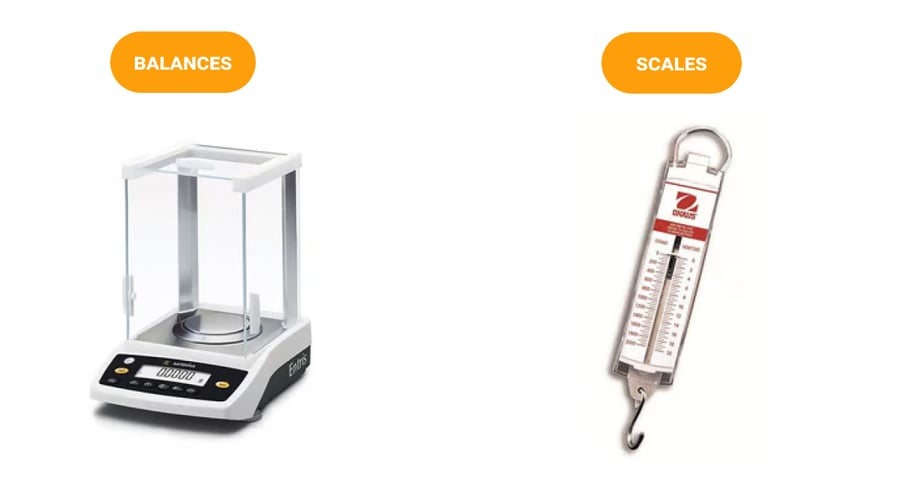 In simple terms, balances prioritize precision, while scales prioritize capacity and speed.
Types of Laboratory Balances and Scales
Analytical Balances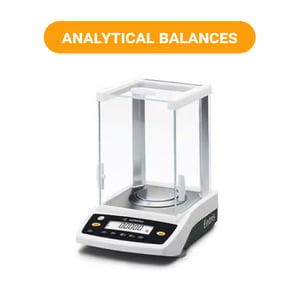
Analytical balances are among the most precise weighing instruments available, offering readability as fine as 0.1 mg (0.0001 g). They feature enclosed draft shields to prevent air currents from affecting measurements.
Common applications:
- Pharmaceutical formulation
- Chemical analysis
- Research laboratories
- Quality control testing
- Sample preparation
Precision Balances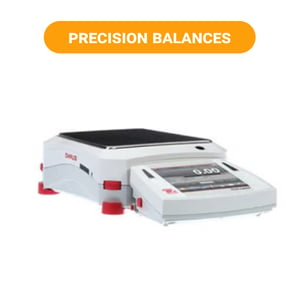
Precision balances provide excellent accuracy while accommodating larger sample sizes than analytical balances. They are commonly used in laboratories that require reliable measurements but not microgram-level precision.
Common applications:
- Academic laboratories
- Industrial quality control
- Manufacturing processes
- Routine laboratory weighing
Portable Balances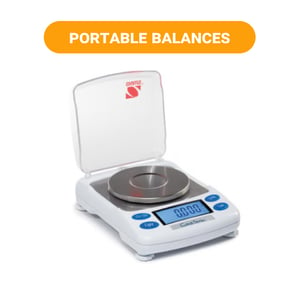
Portable balances offer flexibility and convenience for laboratories and field applications. Their compact design makes them ideal for environments where mobility is important.
Applications:
- Field sampling and environmental testing
- Educational demonstrations
- Mobile laboratory operations
- Agricultural and food testing
- Temporary workstations
Moisture Analyzers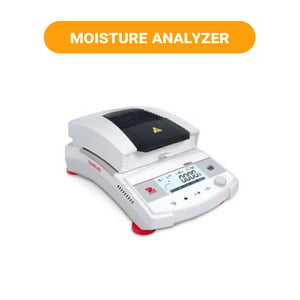
Moisture analyzers combine weighing technology with controlled heating to determine the moisture content of samples. These instruments provide rapid moisture analysis without the need for lengthy drying procedures.
Applications:
- Food and beverage quality control
- Pharmaceutical manufacturing
- Chemical processing
- Agricultural testing
- Raw material inspection
Mechanical Balances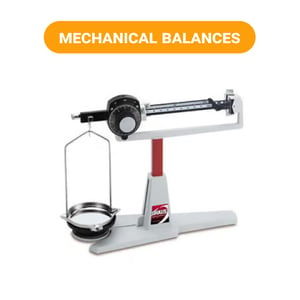
Mechanical balances operate without electronic components and use traditional balancing mechanisms to determine mass. These durable instruments remain valuable in educational settings and specialized laboratory applications.
Applications:
- Academic laboratories
- Classroom demonstrations
- Basic weighing procedures
- Locations where electrical power is unavailable
- Training environments
Balances and Scales Accessories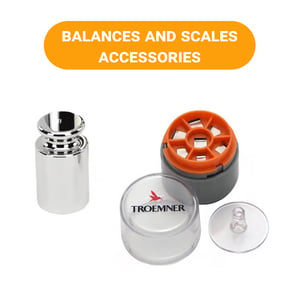
Accessories help improve weighing accuracy, workflow efficiency, and instrument longevity. Common accessories include calibration weights, protective covers, printers, data communication interfaces, anti-vibration tables, and weighing pans.
Applications:
- Calibration and verification
- Data collection and recordkeeping
- Regulatory compliance
- Improved measurement accuracy
- Laboratory workflow optimization
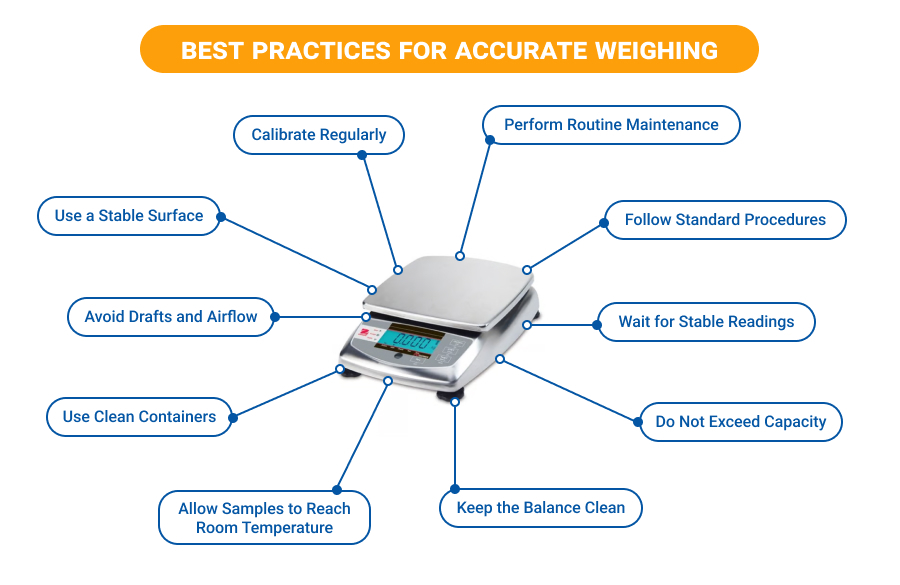
Best Practices for Accurate Weighing
Even the most advanced balance can produce inaccurate results if proper weighing techniques are not followed.
1. Ensure Proper Calibration
Regular calibration verifies measurement accuracy and helps maintain compliance with quality standards and regulatory requirements.
2. Minimize Environmental Influences
Place balances on stable, vibration-free surfaces away from drafts, temperature fluctuations, and direct sunlight.
3. Use Appropriate Containers
Always use clean weighing boats, containers, or vessels suitable for the sample being measured.
4. Allow Samples to Stabilize
Temperature differences between samples and the surrounding environment can affect measurements. Allow samples to reach room temperature before weighing.
5. Perform Routine Maintenance
Keep weighing surfaces clean and follow manufacturer-recommended maintenance procedures to ensure long-term performance.
How to Choose the Best Balance or Scale for Your Laboratory
Selecting the right laboratory weighing equipment depends on several factors:
Required Accuracy
Determine the smallest measurement increment your application requires. Analytical and microbalances are best for high-precision work, while precision balances and scales are suitable for routine tasks.
Capacity Requirements
Consider the maximum weight you need to measure. Choosing a balance with adequate capacity prevents overloading and improves longevity.
Application Environment
Research laboratories may require advanced analytical balances, while industrial settings often benefit from durable bench or platform scales.
Compliance and Traceability
Industries operating under GLP, GMP, ISO, or FDA regulations should select instruments with calibration, documentation, and data management capabilities.
Connectivity and Data Management
Modern balances often include USB, Ethernet, or software integration features that simplify recordkeeping and laboratory workflows.
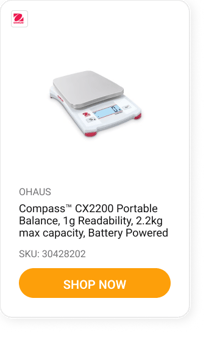 |
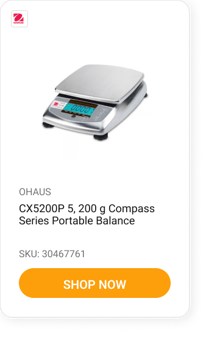 |
.png?width=206&height=350&name=Portable%20Balance%20CX2200P%2c%20Maximum%20Capacity_%202%2c%20200%20g%2c%20Readability_%201%20g%2c%20Pan%20Size_%205.6%20in%20x%205%20in%20(142%20mm%20x%20128%20mm).png) |
%200.1mg-1.png?width=206&height=350&name=Entris%20II%20Essential%20Analytical%20balance%2060g%2c%20Readability%20Scale%20Interval%20(d)%200.1mg-1.png) |
Find the Right Laboratory Balance or Scale
Choosing the right laboratory balance or scale improves measurement accuracy, workflow efficiency, and confidence in your results. From analytical balances for precision research to high-capacity scales for industrial applications, selecting equipment that matches your laboratory's requirements is essential for long-term success.
Explore Pipette's comprehensive selection of laboratory balances and scales to find reliable weighing solutions for research, quality control, education, pharmaceutical, and industrial applications.
You might be also interested in:
 |
 |
 |
| How to Choose the Right Pipette for Your Lab Application | What Is Cytology? Exploring Cell-Based Research and Lab Essentials | The Evolution of Micropipettes: A History of Lab Pipetting Innovation |
Frequently Asked Questions (FAQ)
What is the difference between a laboratory balance and a laboratory scale?
A laboratory balance measures mass with a high degree of precision and is used for analytical and research applications. A laboratory scale is designed for general weighing tasks and typically offers higher capacity with less precision.
What are analytical balances used for?
Analytical balances are used for highly accurate measurements in pharmaceutical laboratories, chemical analysis, research, quality control, and sample preparation. They can measure small quantities with readability as fine as 0.1 mg.
When should I use a precision balance?
Precision balances are ideal for routine laboratory weighing when high accuracy is required but analytical-level precision is unnecessary. They are commonly used in industrial quality control, manufacturing, and educational laboratories.
What is a moisture analyzer?
A moisture analyzer is a weighing instrument that combines precision weighing with controlled heating to determine the moisture content of a sample. They are widely used in food, pharmaceutical, agricultural, and chemical industries.
How often should a laboratory balance be calibrated?
Calibration frequency depends on laboratory requirements, usage, and regulatory standards. Most laboratories perform routine calibration checks daily or weekly and schedule professional calibration services periodically.
What factors affect weighing accuracy?
Several factors can impact weighing accuracy, including air currents, vibration, temperature fluctuations, humidity, static electricity, improper calibration, and contaminated weighing containers.
How do I choose the right laboratory balance?
Consider your required accuracy, maximum weighing capacity, application type, regulatory requirements, and data management needs. Selecting a balance that matches your laboratory workflow ensures accurate and reliable results.
What accessories are available for laboratory balances and scales?
Common accessories include calibration weights, anti-vibration tables, protective covers, printers, weighing pans, draft shields, and data communication interfaces for recordkeeping and compliance.
Can laboratory balances be used in regulated industries?
Yes. Many laboratory balances are designed to meet GLP, GMP, ISO, and FDA requirements and offer features such as calibration tracking, user management, and data documentation.
What industries use laboratory balances and scales?
Laboratory balances and scales are used in pharmaceutical, biotechnology, healthcare, environmental testing, food and beverage, chemical manufacturing, academic research, and industrial quality control laboratories.